
Learning to Love Well in Challenging Relationships
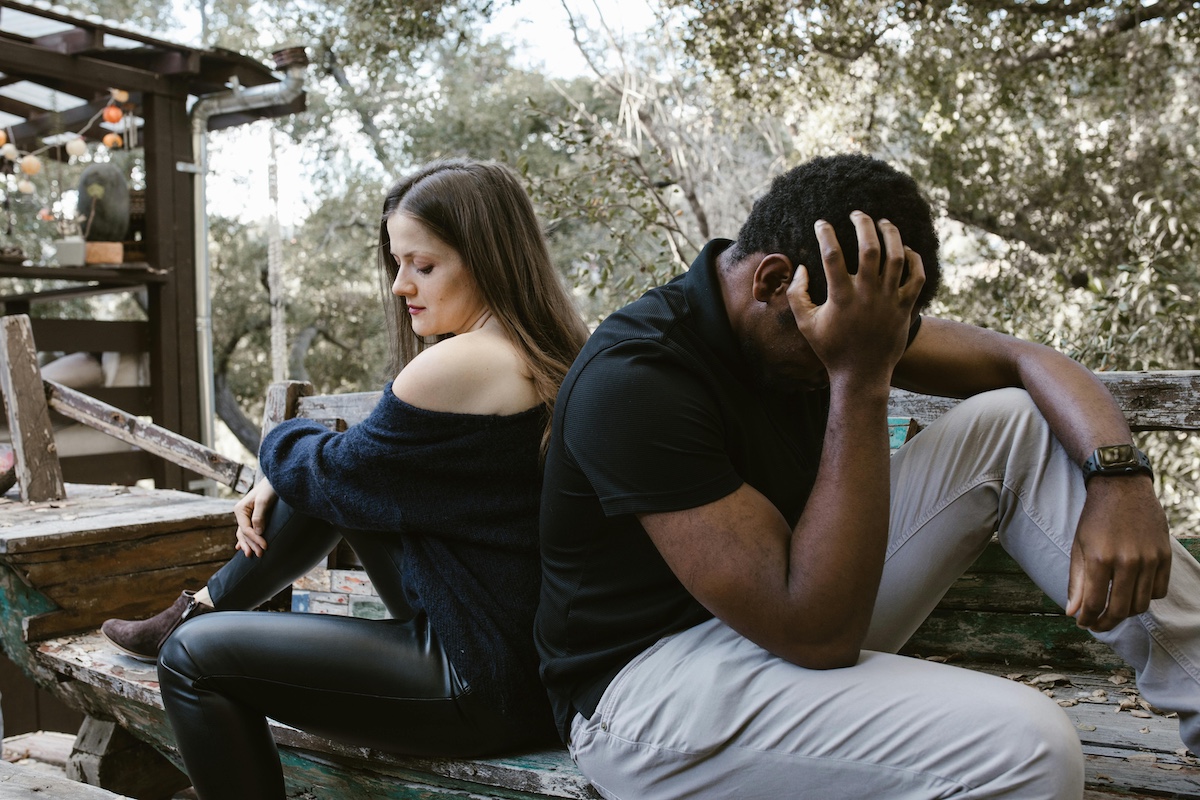
People; love them, perhaps “hate” them. (OK, “hate” is much too strong a word.) Introvert or extrovert, you need people. Married or single, you have relationships. You might wish that your relationships – romantic partner, friend, parent-child, etc. – would just work. But challenging relationships are everywhere. This is messy business.
“But what about me?” Isn’t that the most natural question you think when something goes wonky between you and your spouse, boss, parent, child, friend? They should know better. Don’t they know what that does to me? And perhaps they “should” know better. But your marriage, friendship, or other relationship is not primarily for the purpose of making you happy; this is about learning to love well.
That’s the primary characteristic of followers of Jesus. At least that’s what Jesus said: “By this all people will know that you are my disciples, if you have love for one another” (John 13:35). And we don’t naturally do that well! So all our challenging relationships, marriage but also all the others, are a laboratory for learning to love well.
In that messy endeavor our first instinct is usually to either control and manipulate the other person to try to “make” them what we want, or to withdraw and morph ourselves into people-pleasing. Neither is healthy or life-giving. Instead, this is an opportunity for you to become. Who is God inviting you to become?
Here are three questions to help focus your mental, emotional, and spiritual energy in this process.
-
What does the world look like through this person’s eyes?
The only way understanding, connection, or any degree of intimacy is possible is when you catch a glimpse of what the world looks like from that person’s point of view.
What’s it like to be on the other side of you, especially if you’re married? Would you want to come closer to you or enjoy being around you? Would you feel safe talking about the hard things with you? How would you hear the complaints or “guidance” you offer? What expectations has your spouse come to marriage with? What “big rocks” of harm or trauma is that person carrying that impact their responses to life and to you now?
Everyone has a story. You have a story that colors your perception of the world, but so does this other person. If you had lived their story, it’s very likely you would be responding similarly.
If you want to love well, take some time to imagine what the world looks like through that person’s eyes. Position yourself as kindly curious. Notice things. Ask kind curious questions, and then more questions. Shut up and listen! There is no more effective way to build intimacy – emotional/sexual intimacy in marriage or any other deep connection with anyone – than to be kindly curious.
-
What boundaries might I need to incorporate into this relationship?
Boundaries are not for punishment or control; that never works anyway. Boundaries can’t guarantee how the other person will respond and they don’t guarantee a certain outcome, but they do make further relationship possible. A boundary is not about the other person, but about what you choose to do in a given situation.
That might look something like:
- I don’t choose to be awakened by message pings on my phone during the night. I’m asking you to not text me during the night; if you do, I’ll mute your messages.
- Spending time with you wears me out and drags me down. As a family member I care about you, but I will limit the time I’m able to spend around you.
- I cannot live with someone who irresponsibly spends money and puts us into debt. So either we together are going to talk about money and get some help, or I will set up another account and not give you access to the money.
- Your pornography use is killing our marriage. Either you get some help now, or I will ask you to move out of our bedroom.
There could be a million possibilities. Sometimes, often, it’s the right thing to do to clearly and kindly let the other person know about the boundary you set, not to get their permission but simply to inform. There are also times the relationship doesn’t allow that, and you simply start acting in accordance with the boundary you have decided is necessary.
It’s possible to set boundaries from a cold, hard, or arrogant heart, expecting your spouse or other person to be perfect; that’s not what I’m talking about. People and relationships are messy. You are imperfect and messy. This is about you embracing the agency God has given you and being the person He is calling you to be.
-
Who is God calling me to be to this person?
You’re not Junior Holy Spirit to anyone. You can’t change your spouse, your boss, your friend, your parent, your child. So you can relieve yourself of that responsibility right now.
But you do have a role. A vitally important role. What is that? It’s a question to wrestle with God about, and listen for His voice in the matter. (When it comes to marriage, here are some specific ways to pray.)
Sometimes He calls you to just be; your appealing, kind, good example may make your spouse, friend, or adult child curious. Taking your grubby hands off may give God an opportunity to do His work in their heart.
God may call you to do some work on yourself. You may need to seek healing of some hurts in your own heart, learn some communication skills, do the work of forgiveness, or stop enabling bad behavior.
And there are even times God invites you to walk away.
This is about learning to love well.
Love Hurts
Being for us cost God a lot. Throughout the Old Testament God often sounds like a rejected lover, pained to the depths of His being by His people’s rejection of Him. In the New Testament Jesus weeps over the lack of response from the Jewish people to His offer of redemption (Matthew 23:37), and then offered up His very life for us. Paul pleads, “We implore you on behalf of Christ, be reconciled to God” (2 Corinthians 5:20).
And love will cost you too.
Remember, loving others well comes from a place of strength, not weakness. And the job of Savior is already taken, and you’re not it!
But you keep loving anyway.
Your Turn: Which relationship is most troubling to you right now? Which of these questions do you most need to wrestle with? Leave a comment below.
What more? This week on the podcast I talk with Dr. Greg Smalley about wisdom from decades of marriage and marriage ministry. Listen or watch.
Tweetables: why not share this post?
- Challenging relationships are everywhere. Your spouse, friend, boss, parent, child – it’s messy. You can’t change them. So the most important question to ask is, Who is God calling me to be to this person right now? Tweet that.
Getting to the Matters of the Heart
The wounds, the unhealthy beliefs, the behavior patterns, the internal struggles, the spiritual oppression especially around intimacy, sex, and relationships – we can help with that.
Join us at an upcoming intensive – a beautiful 3-4 day premium experience that can change so much. Bring the hard places of your story into the light, and experience Jesus coming right into the middle of your story with healing, freedom, and transformation.
|


